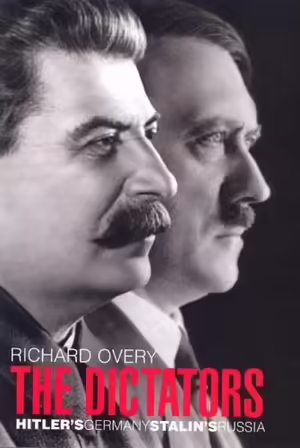
Author: Richard Overy
Genre: Non-fiction, History
Many books, movies, and shows have covered the rise of these movements. What far fewer cover is how they actually worked, how they thought, and how they achieved their goals. The Dictators by Richard Overy, tackles those questions in a very interesting way, by comparing the two reigns in how they were similar and how they differed.
It's a massive work: 651 pages of studying the regimes, and a further 195 pages of bibliography and references. This book is very detailed, yet manages to cover an enormous amount of topics and perspectives. Overy's writing is excellent, but the subject matter is very dense and he refuses to cut corners. That makes The Dictators a demanding read and a standout from many other historical biographies.
I enjoyed this book for two reasons. First, it cuts through so much of the mythology that both proponents and opponents of these regimes have created. It does away with simplistic pop-culture caricatures of the Nazis and Bolsheviks, exposing them for the truly dangerous yet tremendously capable people that they were. I'll even go as far as to say I have a new begrudging respect for both regimes. They built evil with intelligence and capability.
I now feel that our fixation with Nazi drug use or Soviet bumbling bureaucracy undermines the warnings we should be paying heed to. But this book doesn't have that agenda. It simply lays out the detailed facts. The truth asserts itself. These people were no jokes.
That line of thought leads to the second reason: how relevant this information is to us today. People worry about the rise of totalitarian regimes, yet what I learned from The Dictators is that we are looking at the wrong things. For example, many say the US President Donald Trump could be the next Hitler and his MAGA cohort the Nazis. But Trump is more like Wilhelm II, the last Kaiser, or Nicholas II, the last Tsar, whose ineptitude and weakness created such chaos that radical new movements emerged. The Nazis and Bolsheviks were on a different level, and that's something we should pay attention to.
The Dictators is long, dense, challenging, and excellent. Anyone truly worried about fascism annd totalitarianism should read it.